1


Best wishes for a Happy and Healthy 

Holiday Season


2

pic A new paper 'Inflammation and central nervous system Lyme disease' has just been published in the journal Neurobiology of Disease authored by Dr. Brian Fallon, Director of the Columbia Lyme and Tick-Borne Diseases Research Center, Dr. David Hardesty, Lyme Center Neurologist. and fellows Elizabeth Levin and Pernilla Schweitzer.  Neurologic manifestations of Lyme disease occur in 10-15% of individuals with untreated Lyme.  This paper discusses the symptoms of neurologic Lyme and reviews experimental studies that provide insight into the possible mechanisms of inflammation following Borrelia infection and contributing risk factors.

pic

A fascinating and potentially very important study has recently come out in the journal Science. The study reports on the discovery that 68% of patients with Chronic Fatigue Syndrome (CFS) carry the XMRV virus as compared to 3.7% of those without CFS. Further work reported in the New York Times indicates that the virus has been found in 98% of patients with CFS. The discovery of this retrovirus, if confirmed by other research groups, suggests that this virus is either the cause or an important secondary factor in CFS. This finding has implications for Lyme research as it is possible that patients who carry this virus when co-infected with Lyme go on to have persistent symptoms because: a) of activation of the latent virus; b) infection with Lyme or another tick-borne disease lowers the immune surveillance making the individual more susceptible to "catch" the virus; or c) the presence of the virus and the spirochete together act synergistically to induce an array of illness symptoms or to prevent eradication or control of either organism. In any case, given that the symptoms of CFS are so similar to the symptoms of patients with chronic persistent Lyme symptoms, especially shared problems with fatigue and cognition, research in this area may shed important light on the mechanisms underlying the perpetuation of chronic symptoms. In terms of treatment, if this virus is thought to be causal, then retroviral treatments that are used for treating HIV may be very helpful for patients with chronic persistent symptoms.

pic

The Columbia Lyme Center has had a busy and productive summer.  Check out our newsletters for information on our research activities and professional education programs.  We have also highlighted some informative recent research by others. 


     July 2009

     Fall 2009


pic The Columbia Lyme and Tick-Borne Diseases Research Center will carry out several blood screening surveys in Lyme endemic areas in New York, New Jersey, and Connecticut beginning on July 12th in Columbia County, New York.  The primary purpose is to collect blood samples to develop better diagnostic tests for Lyme patients at all stages of the illness.  The secondary purpose of this study is to examine the blood for indicators (biological markers) that might teach us something about which patients are more likely to have persistent symptoms.  MORE INFORMATION

pic Our June 2009 newsletter features Dr. Fallon's synopsis of his published work and information on upcoming projects.  If you want to receive up-to-date information on the Lyme Center's activities, click 'STAY INFORMED'.

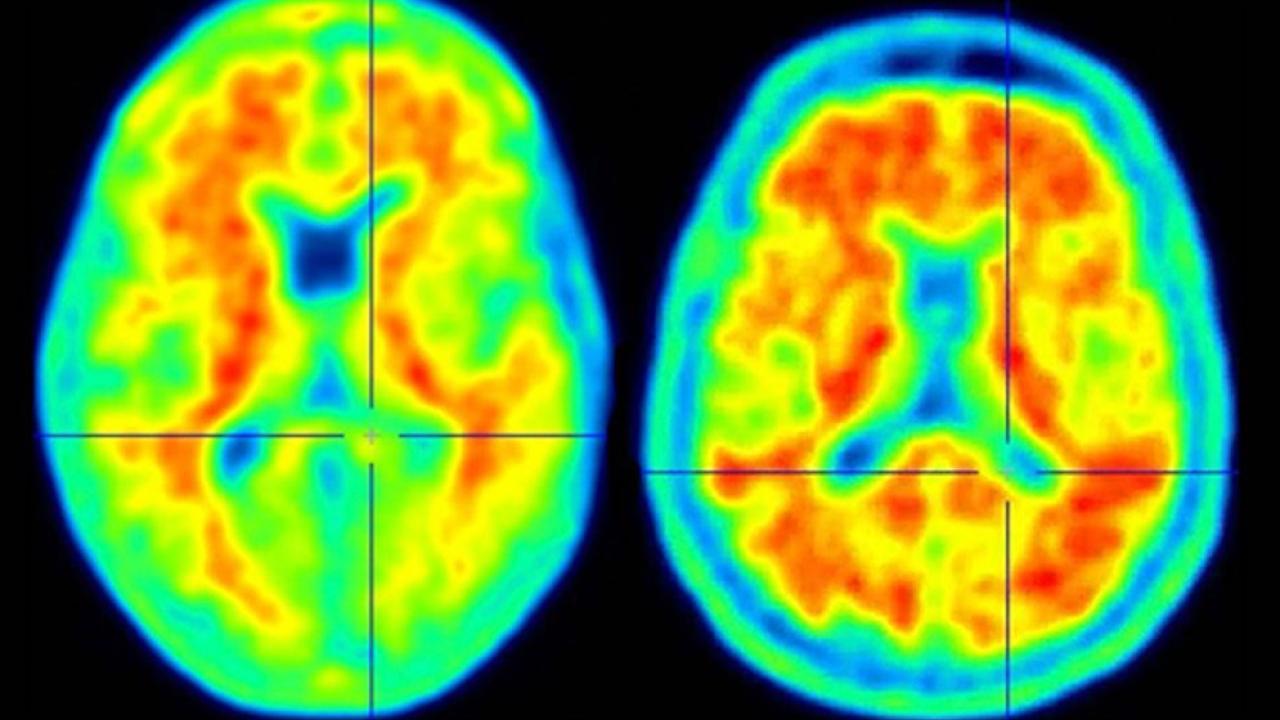
pic The results of research from the Columbia Lyme and Tick-Borne Diseases Research Center (BA Fallon et al) on patients with persistent Lyme encephalopathy have just been published in the Archives of General Psychiatry. The study demonstrates that measurable neurobiological abnormalities can exist in Lyme disease even after intensive antibiotic treatment.

pic The Lyme and Tick-borne Diseases Research Center at Columbia University opens (4/30/07).

Established jointly by Time for Lyme, Inc., the Lyme Disease Association, Inc, and the Fellows and Trustees of Columbia University, this Center was first envisioned in 2002 when two non-profit charitable organizations devoted to fighting the scourge of Lyme disease (Time for Lyme, Inc. and Lyme Disease Association) joined forces to raise funds to build a Center at Columbia University. For an article about the problem of Chronic Lyme disease and how it was perceived in the early fund-raising days to establish a Lyme Center, please read "Chronic Lyme Disease – is it or isn't it?" by Jack Lucentini in Columbia Magazine...

w

w

Lyme and Tick-Borne Research Center - images