
Columbia University Irving Medical Center
Transforming human health by driving discovery, advancing care and educating leaders

Our Schools
Advancing Care
News
- April 25, 2024
Mice lacking an olfactory system have had their sense of smell restored with rat neurons, the first time scientists have successfully integrated the sensory apparatus of one species into another.
Topic
- April 19, 2024
The new Center for Innovative Exposomics in the Mailman School of Public Health s positioned to be a major player in this rapidly emerging field.
Topic
- April 4, 2024
Radiology is leading the way on the translation of AI tools into the clinic and cancer screening may be the first area to benefit.
Topic
- April 3, 2024
Columbia will begin construction in May on New York City’s first all-electric university research building.
Topic
- April 9, 2024
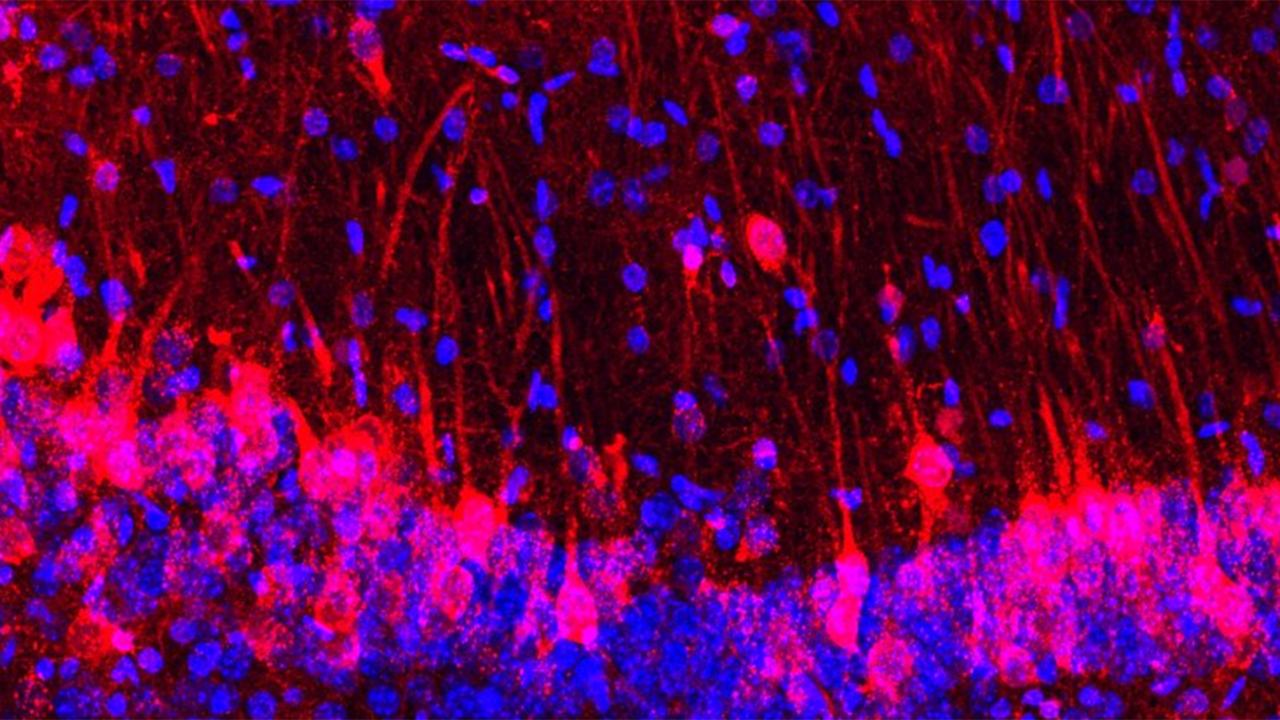
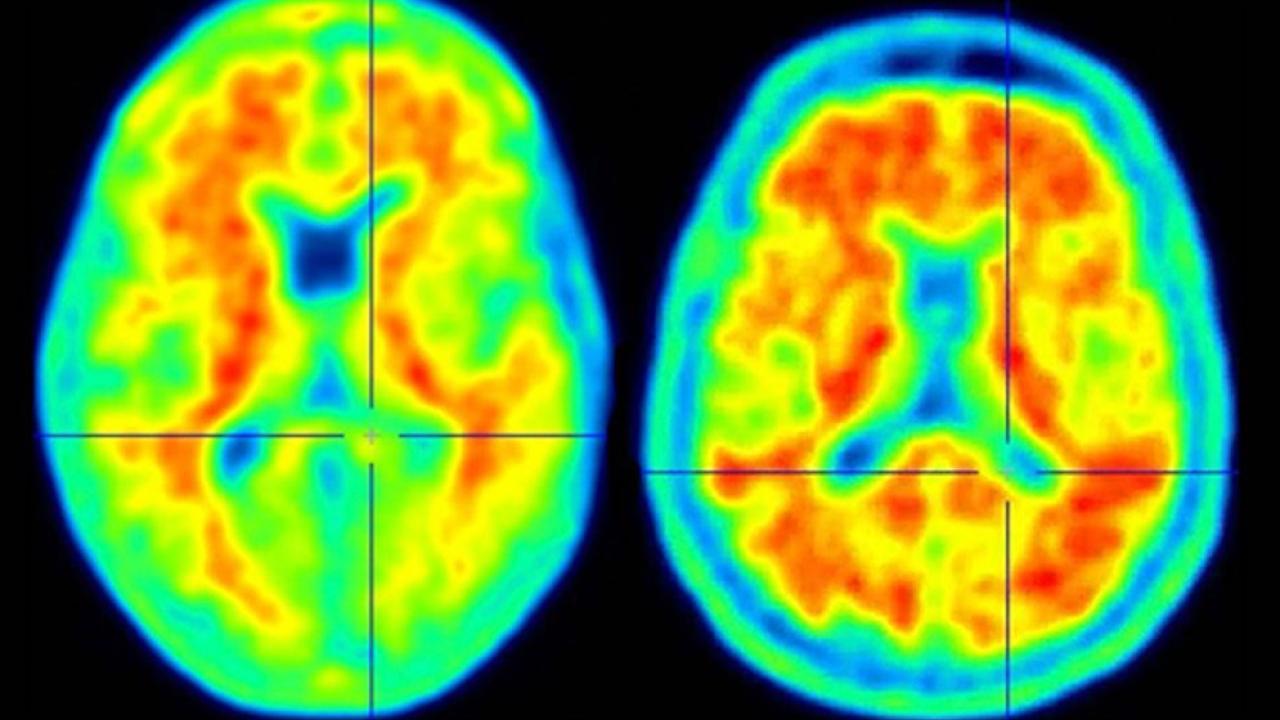
Columbia neuroscientists have identified a genetic mutation that fends off Alzheimer's in people at high risk and could lead to a new way to protect people from the disease.
Topic



Our Community

Learn more about our role in serving the Northern Manhattan community of Washington Heights, Inwood, and Harlem.
Diversity, Equity, and Inclusion
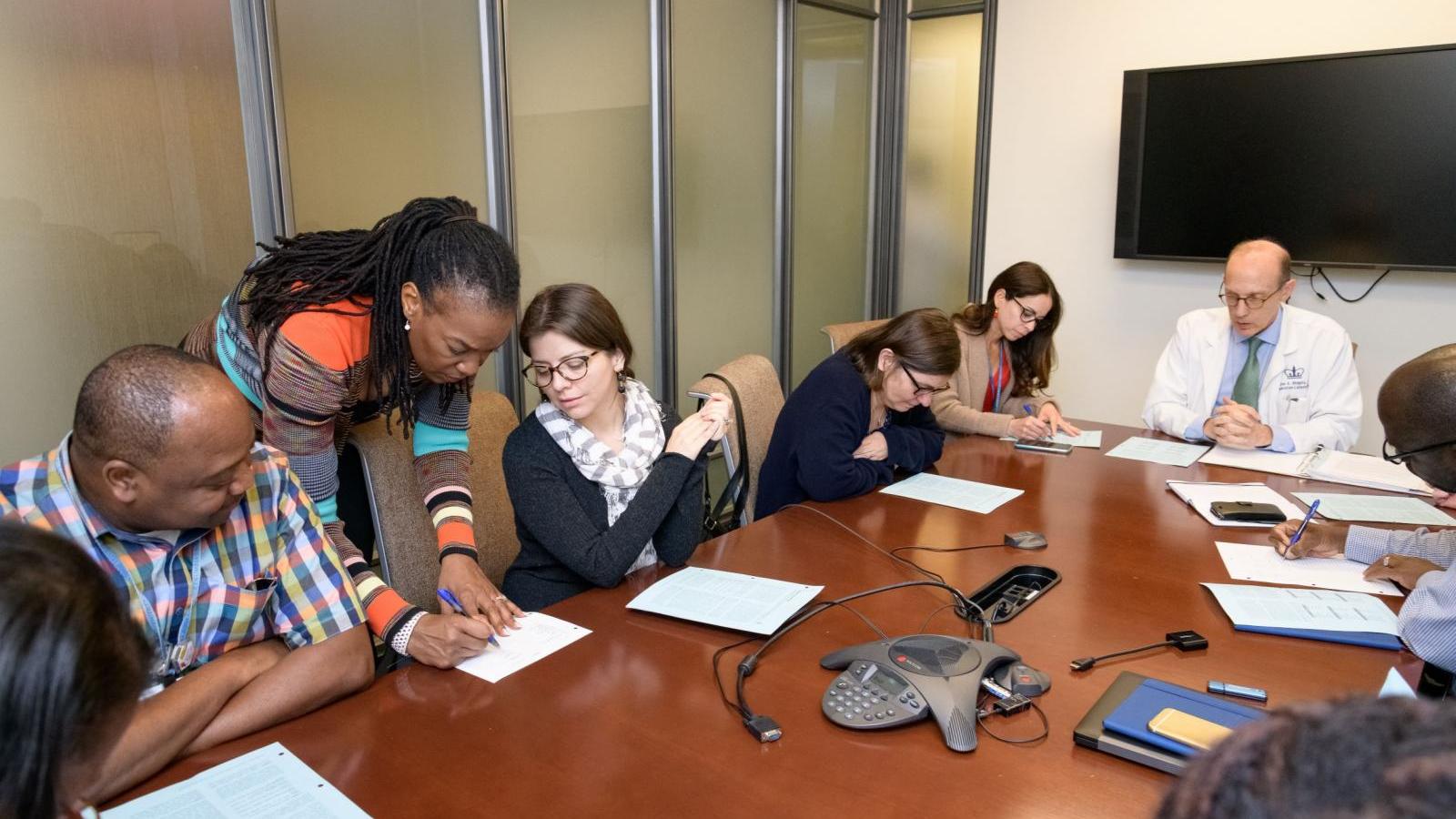
At CUIMC, we are committed to providing culturally inclusive medical education, research, and clinical care.
Events
- Friday, April 26, 202410:00 AM to 3:00 PM
- Friday, April 26, 202410:00 AM to 2:00 PM
- Friday, April 26, 202411:00 AM to 1:00 PM
Venue
Online Event - Friday, April 26, 2024 to Sunday, April 28, 20241:30 PM to 4:00 PM